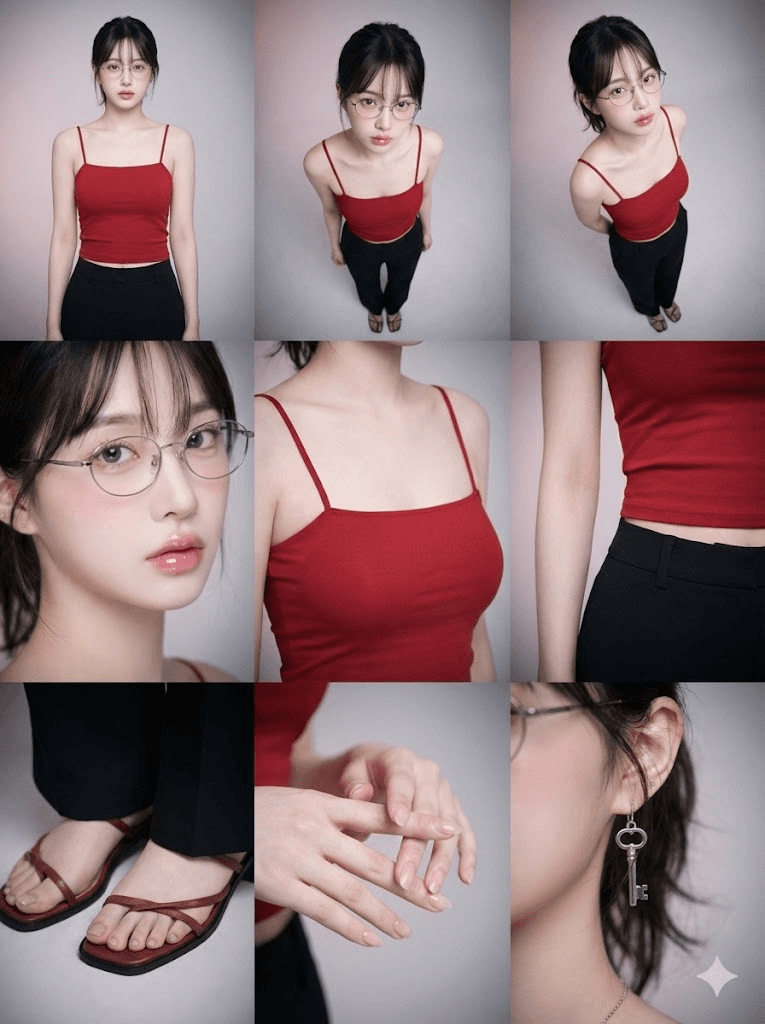
Overall frame setting

The image is a vertical 3:4 ratio, a single picture fixed in a 3x3 grid layout, with each cell as an independent shot.

The overall style is ultra-real fashion photography with a lived-in feeling, slight film grain and soft vignetting, and can be used directly as a daily outfit post.

The whole image uses nine shots to tell the story of one outfit, presenting the full look, key body parts and lifestyle details.


Reference photo binding rules

The uploaded reference photo is the only visual basis.

The model’s facial features and body proportions, hairstyle and hair color, makeup mood are fully inherited from the reference, without changing the person’s identity.

The clothing cut, colors, layering and accessory combinations are all inherited from the reference, including earrings, bags, shoes, nails, etc.

Scene type, light direction and overall tone follow the reference; they are only slightly extended within the same location or scene family.

Across the nine cells the model is always the same person in the same outfit, only the camera position, composition and shot size change.


Nine-grid storyboard structure


Top row: overall view and sense of space

Frame one is a frontal full-body shot, with the model showing the entire outfit from head to toe, natural posture, maybe walking slightly or turning, environment and lighting following the reference, serving as the baseline for the overall look.

Frame two is a top-down view, with the camera slightly higher than the person, full body or three-quarter view, emphasizing body depth and relationship with the ground, making it easy to read the overall silhouette and size in space.

Frame three is a low-angle view, with the camera slightly below the person, full body or three-quarter view, enhancing lower-body lines and fabric drape, while bringing in the extension of buildings, ceiling or sky to create aura and three-dimensionality.


Middle row: key body part details

Frame four shows facial details, focusing on the head and neck, presenting the makeup mood, facial features, hairline and bangs, and ear-side accessories; skin texture is natural and real, with lighting direction consistent with the reference.

Frame five shows the chest and upper garment structure details, covering collarbones, chest and upper torso, emphasizing the cut of the top, neckline shape, shoulder line, fabric thickness and layering relationships, showing folds and darts to reinforce upper-body proportions.

Frame six shows hip and bottom details, focusing from the waist down to upper thigh or hip area, presenting the bottom cut, hip curves and how the fabric fits, with pocket positions, seam directions and fold directions clearly visible, highlighting lower-body shape and proportions.


Bottom row: limbs and accessory details

Frame seven shows feet and shoe details, focusing from the ankle to the sole, presenting shoe silhouette, upper material, shaft height and sole thickness, revealing floor material and light and shadow, and may also show socks, pant hems or skirt edges.

Frame eight shows hands and action details, focusing on hands and forearms, presenting natural gestures such as holding a bag, supporting an object or holding daily items; nail color, knuckle texture and nail polish gloss are clearly visible, together with rings, bracelets and watches.

Frame nine shows key accessories and material close-ups, focusing on one or two key accessories, such as earrings, part of a necklace, part of a bag or part of a belt, emphasizing highlights and textures of metal, leather, fabric and gemstones; background is simplified so the eyes stay on the accessories.


Garment cut and fabrics

The main outfit structure and colors strictly follow the reference, without casually changing item categories.

Key contours such as shoulder line, waistline, pant or skirt silhouette and hem length are reinforced multiple times across different shots.

Knit fabrics show clear stitches and slight fuzziness; light jackets and shirts show soft highlights and natural wrinkles; denim shows texture, wash and stitching; leather shows delicate highlights, creases and layered shadows.


Accessories and micro details

All accessories strictly follow the reference, including earrings, necklaces, rings, bags, belts and watches.

Metal edges have clear highlights and soft reflections, with tiny scratches and structural details visible.

Bag stitching is even, edges are finely finished, hardware has a clear sense of texture, and logos are sharp without distortion.

Shoe upper grain, sole thickness and toe curve are clearly readable, with slight wear or creases to enhance realism.


Hair and skin

Hairstyle and hair color are fully inherited from the reference; only hair flow and lit areas change with camera angle, with fine stray strands and soft highlights visible, roots slightly darker.

Skin texture is natural and real, with slight pores and small imperfections, avoiding over-smoothing, with overall condition matching the mood of the reference.


Environment and color tone

Scene type is based on the reference: street shots extend to the same block or nearby outdoor environment; indoor shots extend to the same space or rooms of similar style.

The top row keeps more environmental information, while the middle and bottom rows blur backgrounds appropriately, focusing on the person and outfit details.

Overall tone is unified; brightness and light/shadow can be slightly adjusted across the nine frames, but the general mood and color direction stay consistent with the reference, with the outfit always as visual focus.
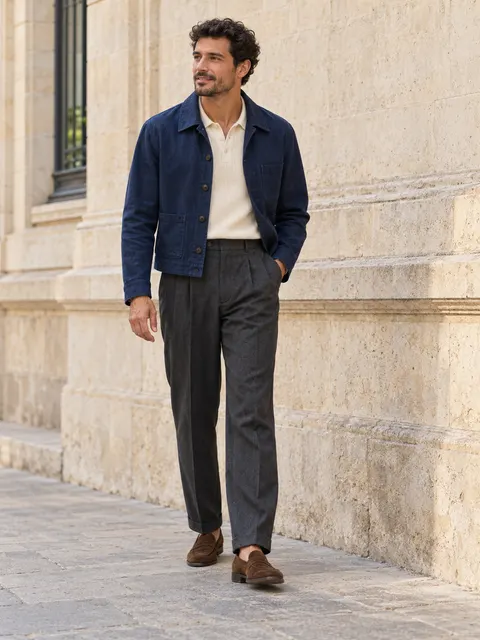 Indigo Cropped Jacket Menswear Layered Fashion Prompt
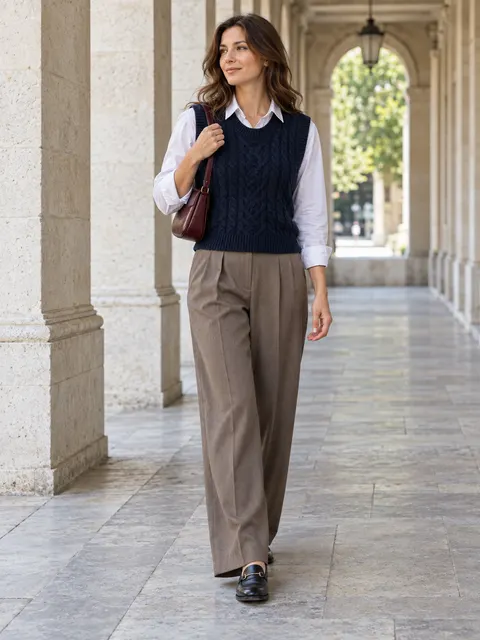 Navy Knit Vest Layered Fashion Editorial Prompt
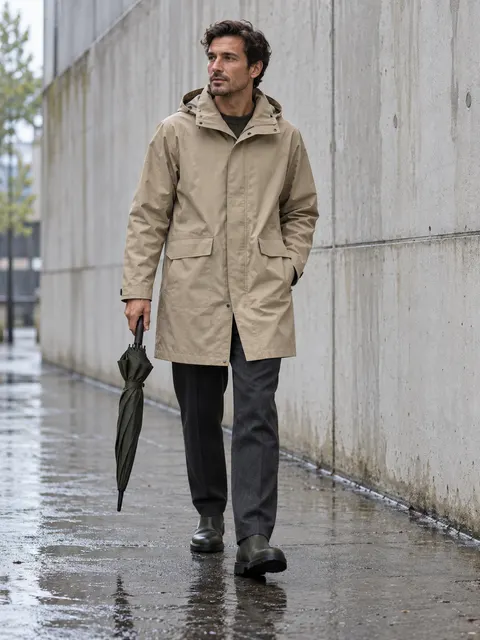 Sand Utility Raincoat Urban Fashion Editorial Prompt
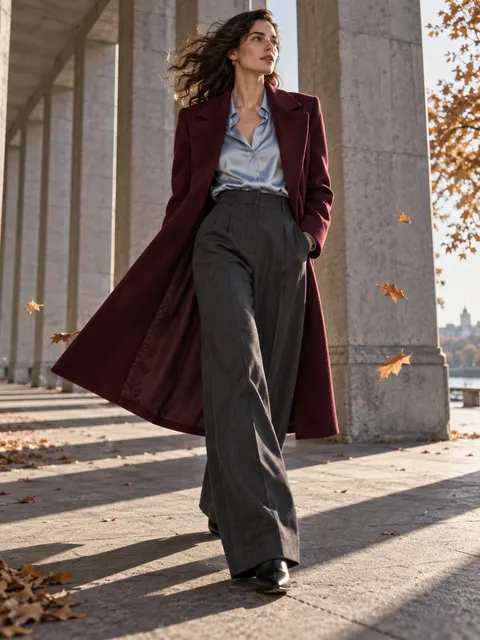 Burgundy Wool Coat Autumn Workwear Prompt
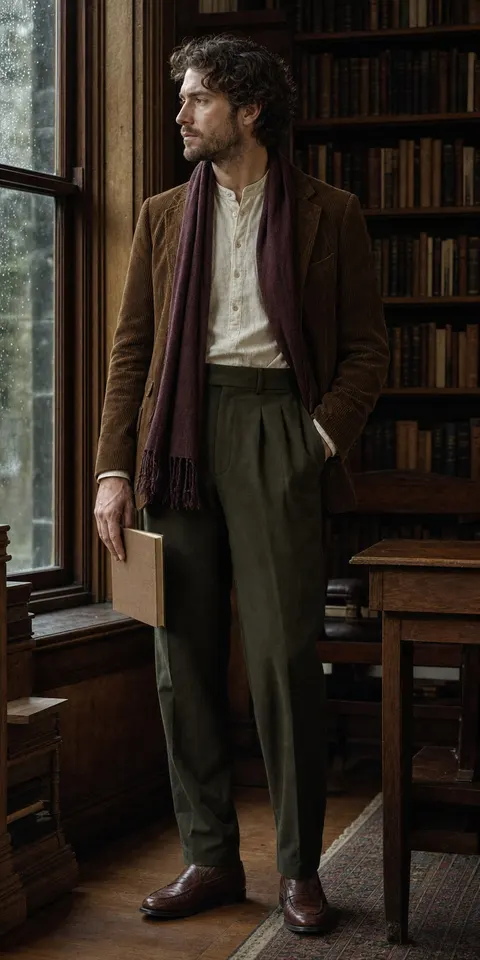 Poetcore Autumn Menswear Fashion Prompt
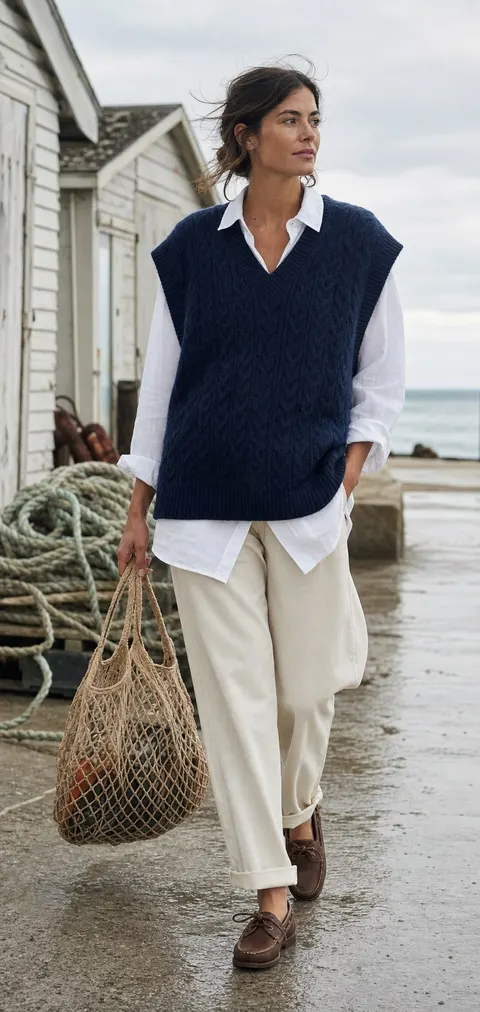 Salt Air Fisherman Aesthetic Summer Outfit Prompt
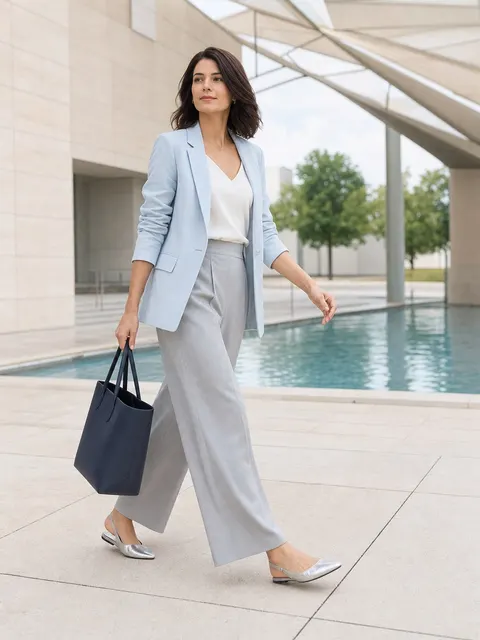 Ice Blue Summer Commute Outfit Fashion Prompt
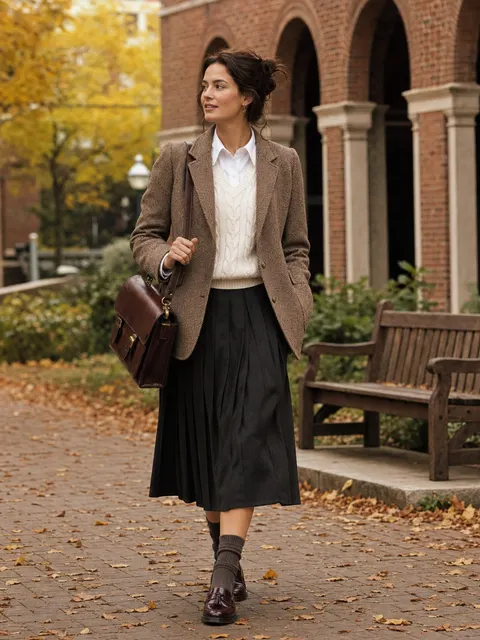 Autumn Vintage Preppy Outfit Fashion Prompt